

What is the difference between a mass and a volumetric oxygen flow meter?
Leave a message

What is the difference between a mass and a volumetric oxygen flow meter?
In the realm of industrial and scientific applications, accurately measuring the flow of oxygen is of paramount importance. Two common types of flow meters used for this purpose are mass flow meters and volumetric flow meters. As a supplier of Oxygen Mass Flow Meters, I am well - versed in the differences between these two types of devices, and I'll delve into the details in this blog post.
Basics of Flow Measurement
Before we discuss the differences, let's briefly understand what flow measurement means. Flow measurement is the quantification of bulk fluid movement. In the case of oxygen, it helps in various processes such as combustion control, medical applications, and industrial manufacturing.
Volumetric Oxygen Flow Meters
Volumetric flow meters measure the volume of oxygen that passes through a given point in a specific period. The volume is usually expressed in units like liters per minute (L/min) or cubic meters per hour (m³/h).
One of the most common types of volumetric flow meters is the variable area flow meter, also known as a rotameter. It consists of a tapered tube and a float. As the oxygen flows through the tube, the float rises to a level where the upward force exerted by the flowing gas is balanced by the gravitational force. The position of the float indicates the volumetric flow rate.
Another type is the turbine flow meter. It has a turbine rotor that spins as the oxygen passes through it. The rotational speed of the turbine is proportional to the volumetric flow rate of the gas. By measuring the speed of the turbine, the flow rate can be determined.
The main advantage of volumetric flow meters is their simplicity and relatively low cost. They are easy to install and maintain, making them a popular choice for many applications where a rough estimate of the volume of oxygen flow is sufficient. However, they have a significant drawback. Volumetric flow is highly dependent on temperature and pressure. As the temperature or pressure of the oxygen changes, the volume of the gas will also change, even if the actual amount (mass) of the gas remains the same. This means that volumetric flow meters need to be calibrated for specific temperature and pressure conditions, and any deviation from these conditions can lead to inaccurate measurements.
Mass Oxygen Flow Meters
Mass flow meters, on the other hand, measure the mass of oxygen that passes through a given point per unit time. The mass is typically expressed in units like grams per minute (g/min) or kilograms per hour (kg/h).
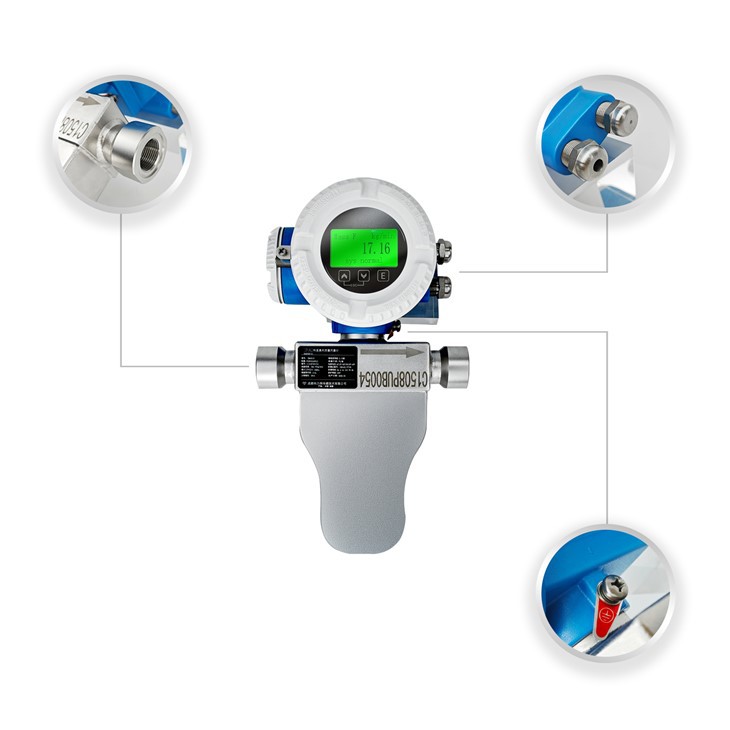
One of the most accurate types of mass flow meters is the Coriolis effect flow meter. When oxygen flows through a vibrating tube in the meter, the Coriolis force causes the tube to twist. The amount of twist is directly proportional to the mass flow rate of the gas. Coriolis Effect Flow Meter offers high precision and is not affected by changes in temperature, pressure, or gas composition.
Another type is the thermal mass flow meter. It works based on the principle of heat transfer. A heated sensor is placed in the path of the oxygen flow. As the gas flows over the sensor, it takes away heat, and the rate of heat transfer is related to the mass flow rate of the gas. Thermal mass flow meters are also relatively immune to changes in temperature and pressure, making them suitable for a wide range of applications.
The key advantage of mass flow meters is their accuracy and independence from temperature and pressure variations. This makes them ideal for applications where precise control of the amount of oxygen is required, such as in chemical reactions, semiconductor manufacturing, and medical oxygen delivery systems. However, they are generally more expensive than volumetric flow meters and may require more complex installation and calibration procedures.

Applications and Suitability
In industrial processes, the choice between a mass and a volumetric oxygen flow meter depends on the specific requirements of the application. For example, in a simple ventilation system where the main concern is to ensure a certain volume of oxygen is being circulated, a volumetric flow meter may be sufficient. It can provide a cost - effective solution without the need for high - precision measurements.
On the other hand, in a chemical reactor where the stoichiometry of the reaction depends on the exact amount of oxygen being supplied, a mass flow meter is essential. Any deviation in the mass of oxygen can lead to incomplete reactions, reduced product quality, or even safety hazards.
In the medical field, volumetric flow meters are often used in basic oxygen delivery systems, such as in home oxygen concentrators. They can provide a general indication of the amount of oxygen being delivered. However, in critical care settings, such as in operating rooms or intensive care units, mass flow meters are preferred. They can ensure that the patient receives the correct amount of oxygen, regardless of changes in environmental conditions.
Conclusion
In summary, the main difference between a mass and a volumetric oxygen flow meter lies in what they measure. Volumetric flow meters measure the volume of oxygen, which is affected by temperature and pressure, while mass flow meters measure the mass of oxygen, which is independent of these factors. Each type has its own advantages and disadvantages, and the choice between them depends on the specific needs of the application.
As a supplier of Oxygen Mass Flow Meters, I understand the importance of providing accurate and reliable flow measurement solutions. Our mass flow meters are designed to meet the highest standards of quality and performance, ensuring that you get precise measurements in any environment. Whether you are in the industrial, medical, or scientific field, our products can help you achieve your goals.
If you are interested in learning more about our Oxygen Mass Flow Meters or would like to discuss your specific requirements, please feel free to reach out to us. We are always ready to assist you in making the right choice for your application.
References
- "Flow Measurement Handbook: Industrial Designs and Applications" by Richard W. Miller.
- "Principles of Flow Measurement" by Robert W. Miller.
- Technical documents from leading flow meter manufacturers.


