

Is a Coriolis Fuel Flow Meter affected by pressure fluctuations?
Leave a message

Is a Coriolis Fuel Flow Meter affected by pressure fluctuations?
As a supplier of Coriolis Fuel Flow Meters, I often encounter questions from customers regarding the performance of these meters under various conditions. One of the most common inquiries is whether Coriolis Fuel Flow Meters are affected by pressure fluctuations. In this blog post, I will delve into this topic, exploring the principles behind Coriolis flow meters, the potential impact of pressure fluctuations, and how our products are designed to address these challenges.
Understanding Coriolis Fuel Flow Meters
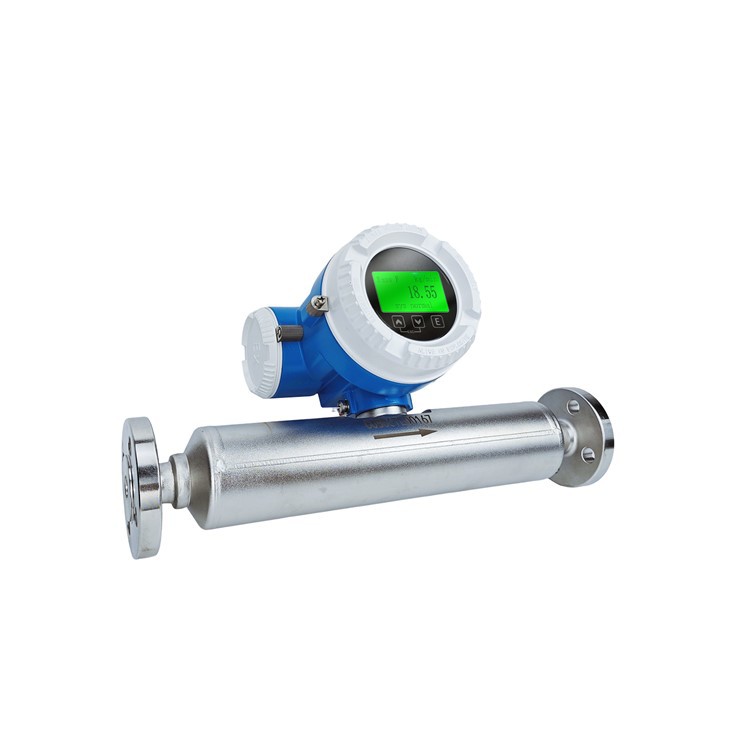
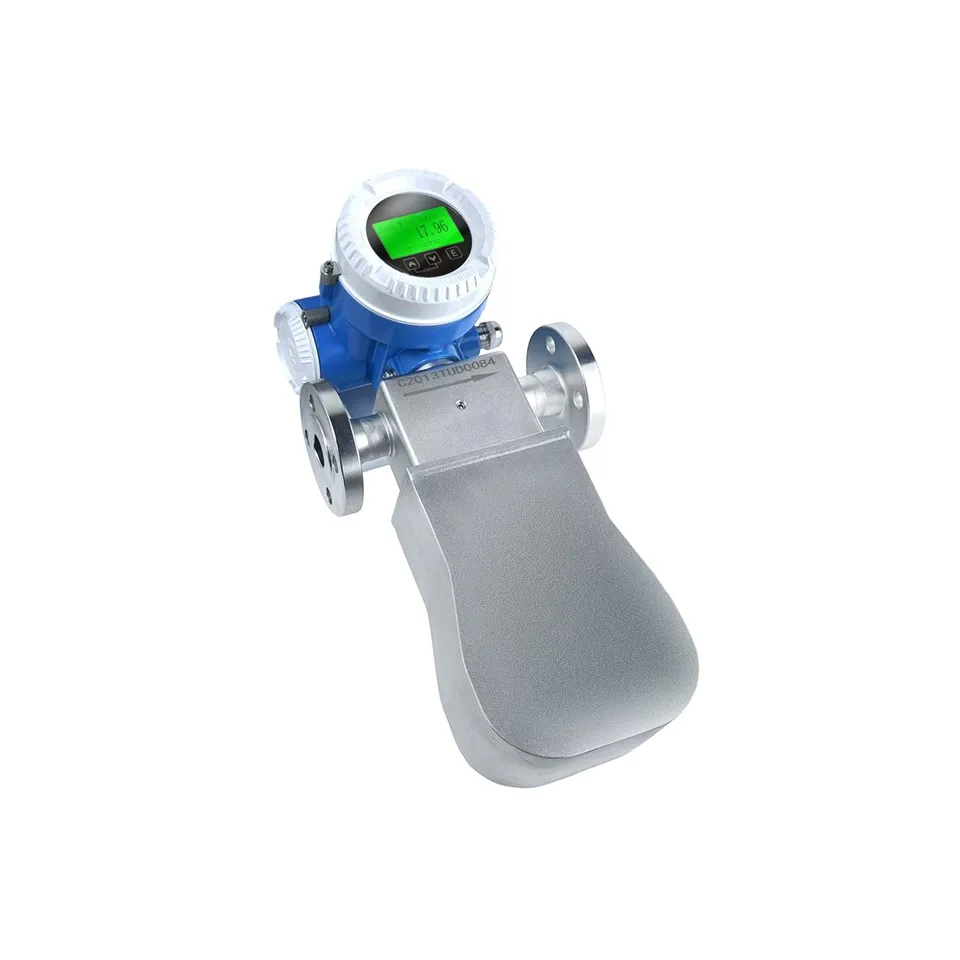
Before discussing the effects of pressure fluctuations, it's essential to understand how Coriolis Fuel Flow Meters work. These meters operate on the principle of the Coriolis effect, which describes the deflection of moving objects when they are in a rotating reference frame. In a Coriolis flow meter, a fluid (in this case, fuel) is passed through one or more vibrating tubes. As the fluid flows through the tubes, the Coriolis force causes the tubes to twist. The amount of twist is directly proportional to the mass flow rate of the fluid.
Coriolis flow meters are highly accurate and can measure mass flow, density, and temperature simultaneously. They are widely used in the petroleum industry for applications such as fuel dispensing, custody transfer, and process control. Our Coriolis Fuel Flow Meter is designed to provide reliable and precise measurements in a variety of environments.
The Potential Impact of Pressure Fluctuations
Pressure fluctuations can occur in a fuel system due to various factors, such as pump operation, valve opening and closing, or changes in the flow rate. These fluctuations can potentially affect the performance of a Coriolis Fuel Flow Meter in several ways.
1. Changes in Tube Stiffness
Pressure changes can cause the stiffness of the vibrating tubes in a Coriolis flow meter to change. An increase in pressure can make the tubes stiffer, while a decrease in pressure can make them more flexible. This change in stiffness can affect the natural frequency of the tubes and, consequently, the accuracy of the mass flow measurement.
2. Density Changes
Pressure fluctuations can also cause changes in the density of the fuel. According to the ideal gas law, the density of a fluid is directly proportional to its pressure. As the pressure changes, the density of the fuel will also change, which can affect the mass flow measurement. However, Coriolis flow meters are designed to measure mass flow directly, which means they are less affected by density changes compared to volumetric flow meters.
3. Mechanical Stress
High-pressure fluctuations can subject the vibrating tubes to mechanical stress. Over time, this stress can cause fatigue and damage to the tubes, leading to inaccurate measurements or even meter failure.
How Our Coriolis Fuel Flow Meters Address Pressure Fluctuations
At our company, we understand the challenges posed by pressure fluctuations and have taken several measures to ensure the reliability and accuracy of our Coriolis Fuel Flow Meters.
1. Robust Design
Our Coriolis Fuel Flow Meters are built with high-quality materials and a robust design to withstand pressure fluctuations. The vibrating tubes are made of corrosion-resistant materials and are designed to have a high natural frequency, which reduces the sensitivity to changes in tube stiffness caused by pressure changes.
2. Advanced Signal Processing
We use advanced signal processing algorithms to compensate for the effects of pressure fluctuations on the mass flow measurement. These algorithms analyze the signals from the sensors in the meter and adjust the measurement to account for changes in tube stiffness and density.
3. Pressure Compensation
Our meters are equipped with pressure sensors that continuously monitor the pressure in the fuel system. The measured pressure is used to calculate the density of the fuel and compensate for any density changes caused by pressure fluctuations. This ensures that the mass flow measurement remains accurate even under varying pressure conditions.
Real-World Applications
To illustrate the performance of our Coriolis Fuel Flow Meters under pressure fluctuations, let's consider a real-world application in the aviation industry. In an aircraft fuel system, the pressure can fluctuate significantly during takeoff, landing, and in-flight maneuvers. Our Coriolis Fuel Flow Meters are installed in these systems to accurately measure the fuel consumption and ensure the safety and efficiency of the aircraft.
In a recent project, we installed our Coriolis Fuel Flow Meters in a commercial airliner. The meters were able to provide accurate mass flow measurements even during periods of high-pressure fluctuations. The advanced signal processing and pressure compensation features of our meters ensured that the fuel consumption data was reliable, which helped the airline optimize its fuel usage and reduce operating costs.
Other Applications and Related Products
In addition to aviation, our Coriolis Fuel Flow Meters are also used in other industries such as oil and gas, chemical, and power generation. We also offer a range of related products, including LPG Coriolis Mass Flow Meter and Hydraulic Oil Flow Meter.
The LPG Coriolis Mass Flow Meter is specifically designed for measuring the flow of liquefied petroleum gas (LPG). It offers high accuracy and reliability in LPG applications, such as storage, transportation, and dispensing.
The Hydraulic Oil Flow Meter is used to measure the flow of hydraulic oil in hydraulic systems. These systems often experience pressure fluctuations, and our meter is designed to provide accurate measurements even under these conditions.
Conclusion
In conclusion, while pressure fluctuations can potentially affect the performance of a Coriolis Fuel Flow Meter, our products are designed to address these challenges. Through a combination of robust design, advanced signal processing, and pressure compensation, our meters can provide accurate and reliable mass flow measurements even under varying pressure conditions.
If you are looking for a high-quality Coriolis Fuel Flow Meter for your application, we invite you to contact us for more information. Our team of experts will be happy to assist you in selecting the right meter for your needs and provide support throughout the installation and operation process.
References
- "Coriolis Flow Meters: Principles and Applications" by Peter J. Liptak
- "Flow Measurement Handbook" by Richard W. Miller


