

What are the limitations of a high pressure mass flow meter?
Leave a message

Hey there! As a supplier of High Pressure Mass Flow Meters, I've seen firsthand the ins and outs of these nifty devices. They're super useful in a bunch of industries, like oil and gas, chemical, and food and beverage. But like any piece of tech, they've got their limitations. Let's dive into what those are.
Accuracy Limitations
One of the biggest things to think about with high pressure mass flow meters is accuracy. Now, these meters are designed to measure the mass flow rate of fluids under high pressure. But achieving high - level accuracy can be a real challenge.

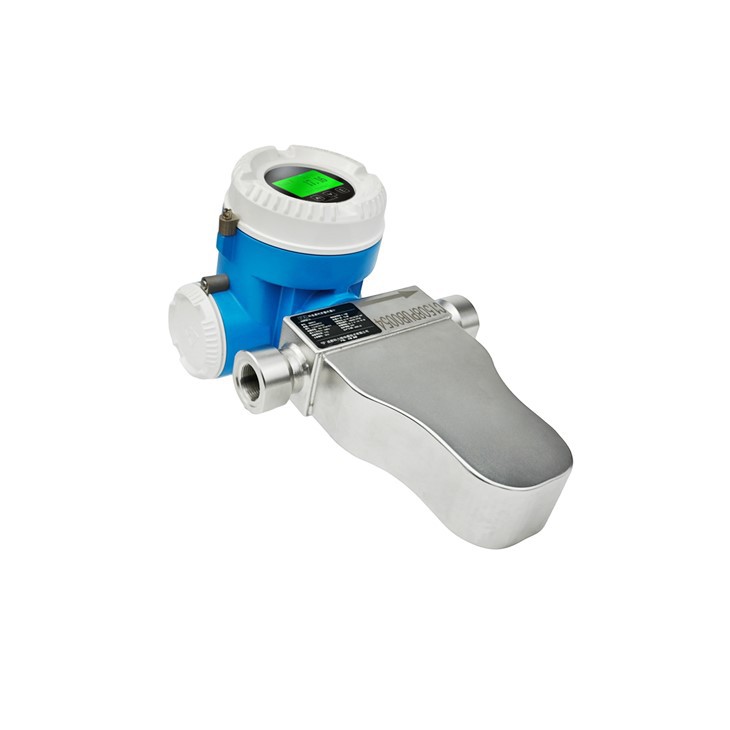
The accuracy of a high pressure mass flow meter can be affected by a whole bunch of factors. For starters, the properties of the fluid being measured play a huge role. If the fluid has a high viscosity or contains particles, it can mess with the meter's ability to accurately measure the flow. For example, in a chemical processing plant where thick, sticky substances are being handled, the meter might not be able to give a precise reading.
Temperature also has a big impact. Most high pressure mass flow meters are calibrated for a specific temperature range. If the fluid's temperature goes outside of this range, the meter's accuracy can take a nosedive. Say you're using a meter in an environment where the temperature fluctuates wildly, like in an outdoor oil rig. The meter might not be as accurate as you'd like it to be.
Pressure variations can also throw things off. High pressure mass flow meters are built to work within a certain pressure range. If the pressure gets too high or too low, it can cause errors in the measurement. This is especially important in industries where the pressure can change rapidly, such as in a hydraulic system.
Installation and Maintenance Challenges
Installing a high pressure mass flow meter isn't always a walk in the park. First off, the meter needs to be installed in the right location. It has to be placed in a section of the pipeline where the flow is fully developed and free from any disturbances. If it's installed in a spot with turbulent flow, like near a bend or a valve, the measurement can be inaccurate.
The installation process itself can be quite complicated. You need to make sure that the meter is properly aligned and connected to the pipeline. Any misalignment can cause stress on the meter and affect its performance. And let's not forget about the need for proper sealing. A leaky connection can lead to inaccurate readings and even pose a safety hazard.
Maintenance is another area where high pressure mass flow meters can be a bit of a headache. These meters have moving parts or sensitive sensors that need to be regularly checked and calibrated. Over time, wear and tear can occur, which can lead to a decrease in accuracy. For example, the sensors in a Coriolis Effect Flow Meter can become dirty or damaged, affecting their ability to measure the flow accurately.
Cost Considerations
Let's talk about money. High pressure mass flow meters can be pretty expensive. The initial purchase cost is often higher compared to other types of flow meters. This is because they're designed to handle high pressures and are built with high - quality materials.
But the cost doesn't stop at the purchase. There are also ongoing costs associated with calibration, maintenance, and replacement parts. Calibration needs to be done regularly to ensure accurate measurements, and this can be a costly process. And if a part breaks down, the replacement part can be pricey, especially if it's a specialized component.
Compatibility Issues
High pressure mass flow meters need to be compatible with the fluid they're measuring. Different fluids have different chemical properties, and some meters might not be suitable for certain types of fluids. For example, a meter that's designed for use with water might not work well with a corrosive chemical.
There can also be compatibility issues with the pipeline system. The meter needs to be able to fit into the existing pipeline and work with the other components, like valves and pumps. If there are any compatibility problems, it can lead to installation difficulties and inaccurate measurements.
Limited Rangeability
Rangeability refers to the ratio between the maximum and minimum flow rates that a meter can measure accurately. High pressure mass flow meters often have a limited rangeability. This means that they might not be able to accurately measure very low or very high flow rates.
For instance, in a process where the flow rate can vary widely, like in a wastewater treatment plant, a high pressure mass flow meter might not be able to provide accurate measurements across the entire range. If the flow rate drops below the meter's minimum range, the measurement can be unreliable.
Sensitivity to Environmental Conditions
High pressure mass flow meters can be quite sensitive to environmental conditions. Vibrations, for example, can cause problems. If the meter is installed in an area with a lot of vibrations, like near a large machine, it can affect the meter's performance. The vibrations can cause the meter's sensors to malfunction or lead to inaccurate readings.
Electromagnetic interference is another issue. In industrial settings, there are often a lot of electrical devices that can generate electromagnetic fields. These fields can interfere with the operation of the meter and cause errors in the measurement.
Limited Application in Some Industries
While high pressure mass flow meters are useful in many industries, there are some industries where their use is limited. For example, in the pharmaceutical industry, where strict hygiene and cleanliness standards are required, some high pressure mass flow meters might not be suitable. The meters might be difficult to clean and sterilize, which can be a problem when dealing with pharmaceutical products.
In the food and beverage industry, the same issue can arise. Meters need to be made from materials that are safe for contact with food and can be easily cleaned. If a high pressure mass flow meter doesn't meet these requirements, it can't be used in this industry.
Conclusion
So, there you have it - the limitations of high pressure mass flow meters. Despite these limitations, they're still incredibly valuable tools in many industries. At our company, we're constantly working on improving these meters to overcome these challenges. We're developing new technologies to improve accuracy, reduce installation and maintenance costs, and increase compatibility.
If you're in the market for a high pressure mass flow meter, don't let these limitations scare you off. We can work with you to find the best solution for your specific needs. Whether you're looking for an Air Mass Flow Meter or a CNG Mass Flow Meter, we've got you covered.
If you have any questions or want to discuss your requirements further, feel free to reach out. We're here to help you make the right choice for your business.
References
- "Flow Measurement Handbook: Industrial Designs and Applications" by Richard W. Miller
- "Principles of Flow Measurement" by Robert W. Miller


